The National Council of Teachers of Math (NCTM) “is an international association advocating for high-quality mathematics teaching and learning for each and every student.” They are currently offering free memberships and providing access to research based resources including articles, learning plans and more.
Given our current situation, teachers may find that parents and students are overwhelmed and unable to grapple with content or concepts that are new or too challenging. Consider using this time for review and application of previously covered concepts before moving on to new material. Perhaps this is a good time to provide some choice to your students around applying prior learning through an at home project, provocation, problem solving or problem based learning?
Math Resources:
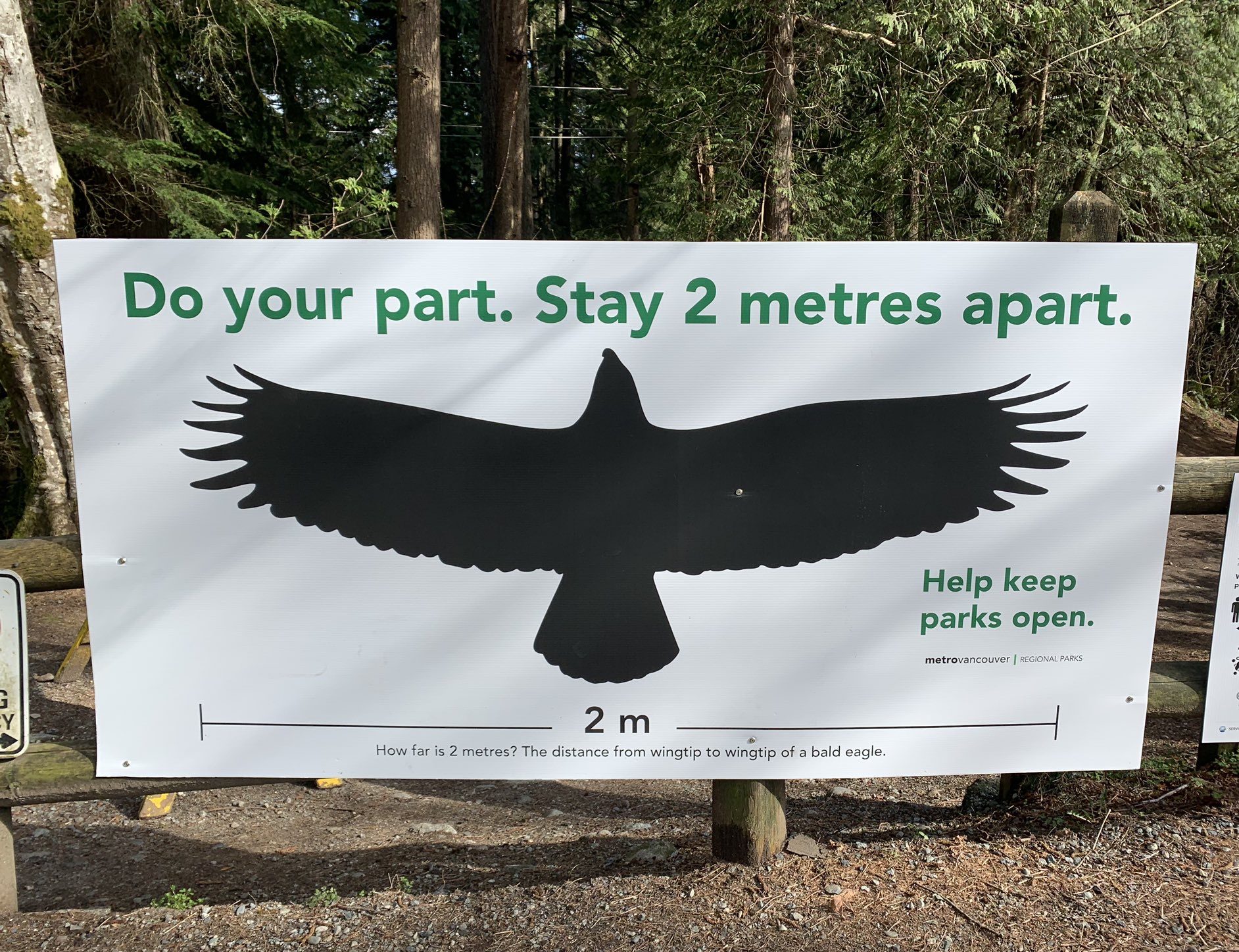
K-7: Janice Novakowski, @jnovakowski38 on Twitter, (Richmond SD38 numeracy helping teacher and local math guru!) has started a collection of resources to support teaching in our current COVID context for K-2, 3-5, 6-7. For all ages, consider downloading and sharing, perhaps along with a prompt or provocation, one of her play outdoors posters (one example pictured here).
For weekly Math tasks/plans for home learning, visit the Continuity of Learning pages from SD38 (another shout out to Janice Novakowski and her fab math colleagues!) The K-9 learning plans “include five tasks for each week connected to one foundational math concept and big idea with connections to BC curricular content and competencies. They are intended to be shared with families as one choice for their week’s learning opportunities in mathematics.”
Meghan Zeni (@roomtoplay on Twitter) is one of my go to sources for elementary aged outdoor learning activities including Math ideas like this patterns in nature post
K-12: Illuminations – National Council of Teachers of Math website with Lessons and interactive simulations for online math learning
K-9 and beyond: Marilyn Burns Math Blog. On her blog, and @mburnsmath, Marilyn has been sharing regular posts with engaging and simple math activities that can be done at home using materials many families will have on hand. There are many games with NO digital tech required and several that incorporate digi tech. A favourite no tech game my own elementary aged students loved to play is Race to 100. Where appropriate, a teacher (or child) might make these higher tech and interactive by playing games together in a synchronous web space or video recording and sharing a game (much like many kids enjoy doing with their video games). Some students might enjoy sharing their math-edventures via flipgrid video, text chat or what about a live game on a digital whiteboard (such as awww)
IXL Math is a skillbuilder website for grades 1 – 12 that includes diagnostic quizzes for various concepts and will provide students with ‘appropriate leveled’ practice activities (mobile or web browser). NB: 30 day free trial, not canadian housed so be sure to check with your school/district for permissions and access. Teacher Eric Neumeyer shares ‘how to use IXL videos’ on his class blog to support students (and parents and teachers) learning to use this free online digital resource. Of further interest is Eric’s approach to COVID learning with his students: optional can do activities along with must do/essential learning activities. While his full lessons and activities are shared on his private google classroom with his students, you can see what he is sharing and assigning to his students on his blog. You’ll notice that he shares brief ‘explainer videos’ so that students can read and also ‘view’ what they need to (or can) do.
At home project idea for any age (given some support) COOKING! Need I say more? The math and science learning in this life-long activity cannot be overstated: Sharing cooking experiences (trials and errors); halving or doubling recipes; sharing favourite recipes; sharing photos and reflections on ‘top chef’ or ‘fridge-challenges'(i.e. make something with X number of random ingredients from your fridge – no going to the store!); investigating food as cultural and intercultural experience. The SD36 (Surrey) District Aboriginal Learning’s Idea of the Day Blog often shares math ideas and recently shared a bannock recipe. Check out @teachertong on Twitter and the THESA (Home Ec Specialists Assoc) website for home learning ideas for Middle and Secondary learners including this adaptable « choice board » of foods learning experiences – parents will appreciate the « clean the microwave » option!.
No post that références learning outside would be complete without a shout out and link to Gillian Judson’s Walking Curriculum – including, but not limited to, math ideas. A truly interdisciplinary, imaginative approach! (a post devoted to this resource here) @perfinker on Twitter.
Working with older students and want to look at data? This article « The Math Behind Social Distancing » on Global News includes some excellent info graphics With clear explanations of the math behind the data.
Don’t have dice to play with? Try making your own! (thanks to one of Janice’s ‘Math at Home’ youtube videos)
Getting kids active may (also) help them process the new normal during this uncertain moment of their lives. Play is important to help children process their own emotional responses to adversity and stress. Outdoor physical activity can provide children with a sense of control and agency over their own actions and is important for physical-emotional skill building. Play and physical activity, at home or outdoors (while practicing physical distancing), may therefore help children process this unusual social climate we are all in. activehealthykids.org
When sending plans home or delivering them online, consider recommending that your students participate in regular brain and body breaks. Some teachers schedule these in while others provide choice boards or a selection of breaks and ask students to participate in these or other movement breaks periodically through the day. Others encourage this through synchronous ‘dance parties’ using Zoom (or other web conference tool) or asynchronous video using, for example, FlipGrid. Below are some resources teachers can use to support a healthy and active lifestyle while students learn from home:
Activity Breaks shared by MET student, Erica Hargreave. Erica employs these breaks routinely in her adult learning online courses. These activities (including the ever popular chair dancing) would be appropriate for middle and secondary teachers teaching online with an LMS (learning management system), sharing via email or even printing and sending prompts as part of a resource package.
Megan Zeni, a favourite resource for garden and outdoor learning shared her April calendar of outdoor learning activities to support home learning. UPDATE: Megan shared this post to support return to school and Rob Fleming’s recommendation that more outdoor time be built into the school day to support student (and teacher) health and safety.
Physical and Health Education:
UBC Rec’s Play and Learn Website has live online play & learn sessions and resources intended for ages 6-8 and 9-12. The FREE live streamed activity sessions include a variety of topics: art, science, nutrition, drama, wellness, enrichment and more…
Cross-Curricular #homefun:
Scott Morrison from Elon University suggests having ‘homefun’ activities built into courses. His course on garden-based learning includes provocations:
“Plant seeds. Are there any seeds in the food you have been eating lately? What do you know about saving seeds? Find some seeds that you can plant. Should you plant them inside or outside? What do they need to sprout? What conditions are optimum?”; Gaze at stars. There are millions of stars in the sky. Use the app Night Sky to learn more about constellations. What stories do the stars tell?”
How about this for some Physics #homefun? (ESPN video shared by @AllisonBryan225 on Twitter)
Social and emotional learning (SEL) is the process through which children and adults understand and manage emotions, set and achieve positive goals, feel and show empathy for others, establish and maintain positive relationships, and make responsible decisions. CASEL
The social and emotional well-being of our students has always been of tremendous import to educators. Today, SEL is, perhaps more important than ever. As many educators and health professionals have reminded us, the world has changed. With an increasing emphasis on remote learning, we need to remember that taking it slow and connecting with students, ensuring they are ‘ok’ and providing learning opportunities (with a focus, at least initially, on literacy and numeracy) should continue to be our goal in BC Education.
Below are some selected resources to support the development of SEL.
The Happiness Experience: aimed at Gr. 7 – 12 includes Digital lesson bundle, classroom activity ideas, virtual field trips, video resources, infographics
Keep Learning – Open School BC: includes ‘staying healthy’ resources and suggestions for how to develop literacy and numeracy at home.
Educators, you already know that we are in unprecedented times. Packets and comprehension questions are not going to save education. ~ Joe Truss
Joe Truss is a San Francisco based principal who worked with multiple colleagues to co-develop a Google doc as an online resource to support cross-curricular project based learning with the intention of supporting students social emotional well-being by engaging them in meaningful learning during the COVID 19 pandemic. I learned about Joe through the twitter feed of a Vancouver principal, Dave Truss, with whom I’m acquainted. Not sure if Joe and Dave are related but they definitely seem like minded.
UBC Faculty from various departments at the Faculty of Education were interviewed to share their insights on interdisciplinary teaching and learning in their disciplines.
Dr. Jennifer Jenson, professor of digital languages, literacies and cultures in the Department of Language and Literacy Education gave examples in the light of her research interests; digital games and game-based learning. Dr. Shannon Leddy, instructor in Indigenous Education at the department of Curriculum & Pedagogy (EDCP) spoke of intertwining arts based, indigenous and environmental education. Dr. Sandrine Han, associate professor at EDCP elaborated how interdisciplinarity takes place in art education and technology. Dr. Hartley Banack, lecturer in EDCP, illustrated how outdoor education allows naturally for interdisciplinary teaching and learning.
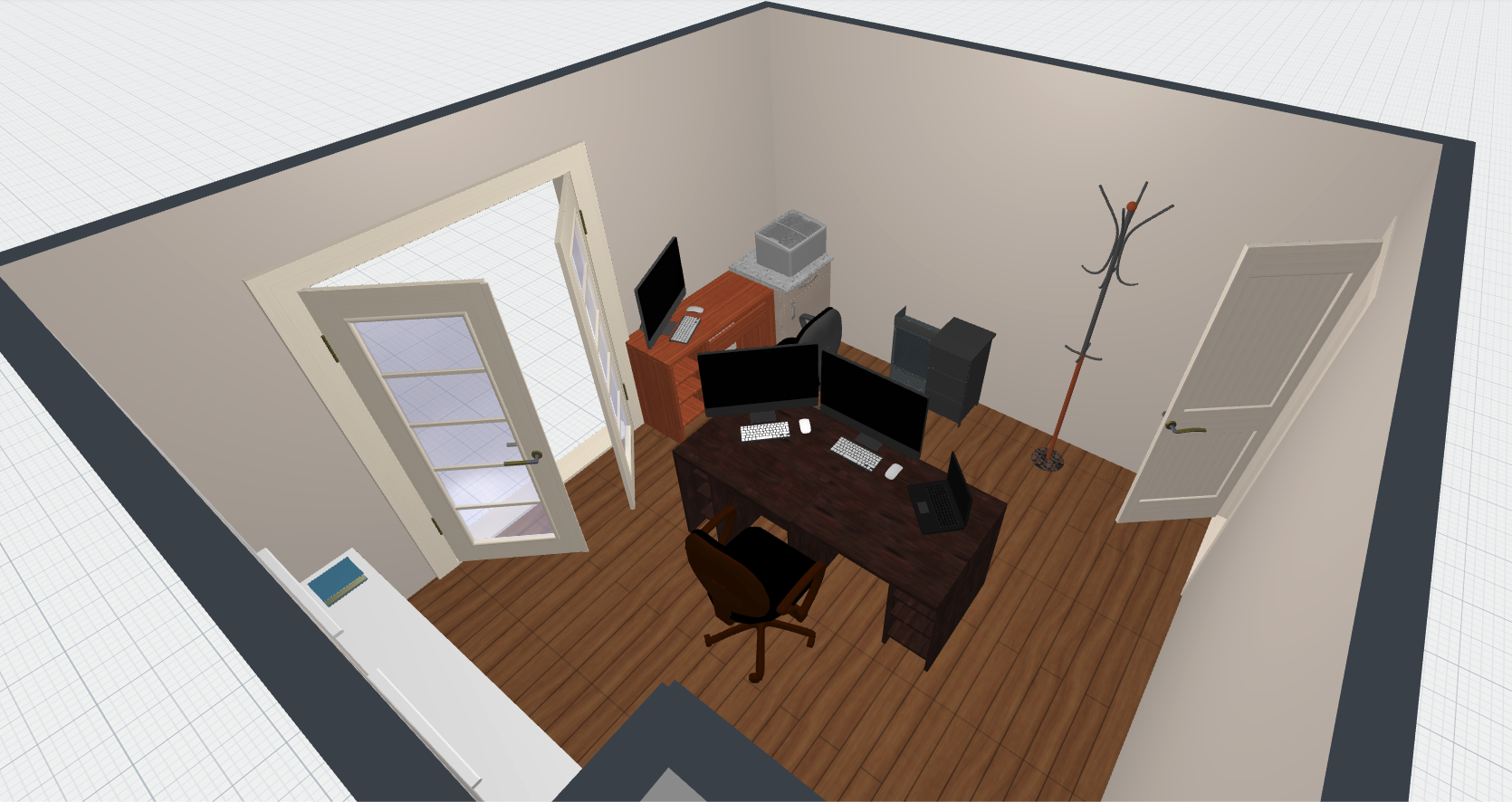
Room design apps are web or mobile applications that are used by interior designers to create mockups for floor plans. They vary in features, functionality and accessibility but all are similar in their function of creating a working layout for an interior design. Most of these apps are designed to be more user-friendly versions of CAD (computer-assisted design) apps with a lower barrier for entry. They employ drag and drop functionalities while maintaining specificity by utilizing discrete measurements. These tools are very valuable in that a designer can see a floor plan visually before implementing it. Many of these modern applications even allow for 3D viewing, and/or augmented reality simulations to show mockups through a more immersive dimension.
Why is it relevant?
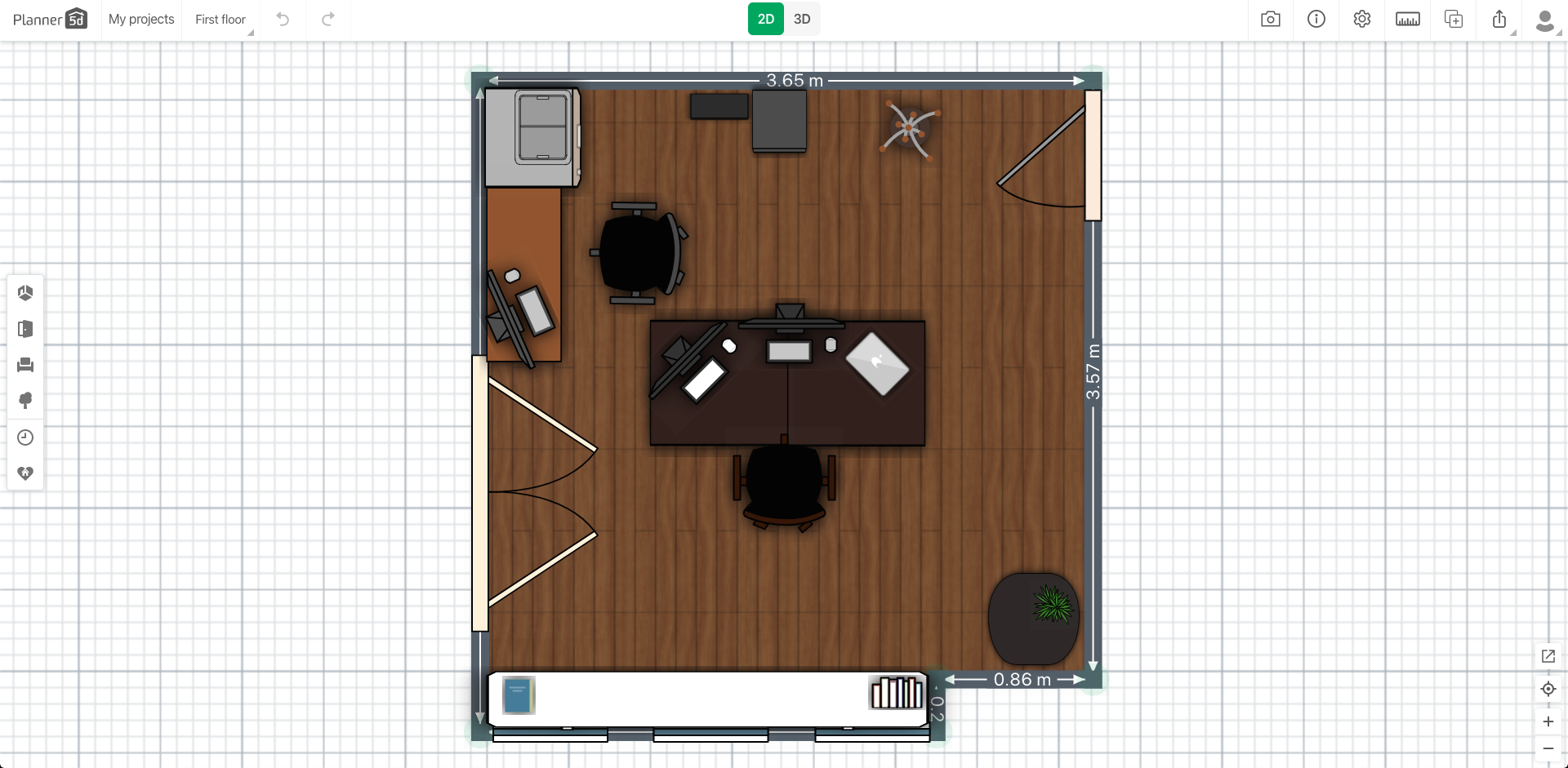
Click above to view the 2D viewer for Planner5D.
Room design apps can be used by students to learn mathematics principles such as geometry and arithmetic. Students can see the practical application of learning mathematics through an interior design project. In addition, interior design can also allow students to express themselves artistically, underscoring the aspect of arts in STEAM (Science, Technology, Engineering, Art, Math.)
How to get started?
While there are many different apps available to use for interior design, the one I found most intuitive was Planner5D and will be explaining how to use this particular app. Planner5D is accessible through a web browser and available to download on the App Store & the Google Play Store. Other apps you can also try include: