

iNaturalist
A joint initiative of the California Academy of Sciences and the National Geographic Society, iNaturalist creates an online and global network of naturalists, biologists, and plant-enthusiasts. With the goals to connect people with nature and to create a repertoire of biodiversity data, iNaturalist is a potential entry point for students (and teachers!) into the world of […]
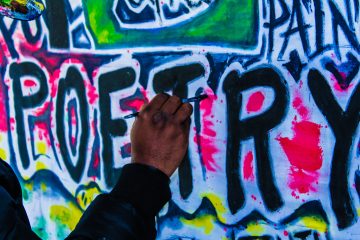
Found Poems: creating poems from words around us
Found Poetry is a form of poetry created from existing texts or literature. Words or phrases are taken out, refashioned, reordered, and presented as poems with new meanings. Similar to a collage, poetry can be made from newspaper articles, magazines, letters, street signs, speeches, poems, or even textbooks. Creating found poems can support interdisciplinary learning […]
Computational Participation: creating interactive digital stories with Twine
On Friday, August 28th, 2020, I had the opportunity to collaborate with Dr. Jennifer Jenson, Professor in the department of Language and Literacy Education at UBC-Vancouver on a workshop for teachers taking part in a week of learning with Science World: STEAM days 2020 (#STEAMdays20). In our session, Jennifer introduced participants to the concept of […]
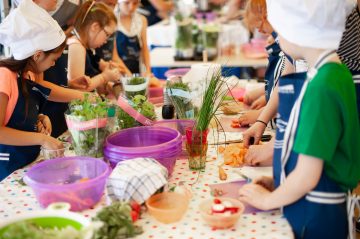
Learning about and through Food: podcast resource post
Food is an interdisciplinary concept that intertwines through a wide range of subjects: home economics, science, math, arts, and many more. In Episode 5 of our recently launched Thinking outside the Sandbox podcast, Dr. Kerry Renwick, Dr. Susan Gerofsky, and Dr. Lorrie Miller share their ideas and experiences with respect to food and the development […]

Microsoft Teams
Microsoft Teams is a web communication tool that can be used to facilitate group chats and host meetings. In support of remote teaching and learning, Microsoft currently offers free access to Office 365 (including Teams) for students and teachers. This blog post will highlight specific features of Microsoft Teams and provide information on how to […]
